Understanding Liraglutide: Dosage and Administration
Wiki Article
Liraglutide acts as a medication typically administered via injection. Its purpose is to control blood sugar levels in individuals dealing with type 2 diabetes. The precise dosage of liraglutide will change depending on individual patient needs, and it's essential to strictly observe the instructions provided by your healthcare professional.
- The frequency of liraglutide injections can range from once a day to a few times each week.
- Always give the medication at the recommended site and switch injection locations to avoid skin irritation.
- Store liraglutide as instructed by your pharmacist or healthcare provider, typically in a cool, dry area.
It's essential to talk about your doctor if you experience any side effects while taking liraglutide.
Navigating Liraglutide Cost: A Comprehensive Guide to Pricing Options
Managing the cost of Liraglutide can be a challenge. This overview aims to illuminate on the various pricing alternatives available, helping you discover the most suitable solution for your requirements. We'll investigate factors that influence Liraglutide rates, including insurance coverage, prescription programs, and generic alternatives.
With a focus on transparency, this guide will empower you to make intelligent decisions about your medical treatment.
Examining Liraglutide Tablets: Benefits and Considerations
Liraglutide tablets have emerged as a popular solution for individuals with type 2 diabetes. These medications work by mimicking a naturally occurring hormone called glucagon-like peptide-1 (GLP-1), which helps regulate blood sugar levels. By stimulating insulin production and delaying gastric emptying, liraglutide can effectively manage blood glucose concentrations. Moreover, some studies suggest that liraglutide may offer additional benefits beyond glycemic control, such as weight loss and a lowered risk of cardiovascular events. However, like all medications, liraglutide tablets come with potential complications. These can include nausea, vomiting, diarrhea, and pancreatitis. It's crucial to discuss the potential benefits and risks with your healthcare provider to determine if liraglutide is the right choice for you.
Using Liraglutide for Weight Loss: Understanding the Process and Outcomes
Liraglutide presents itself as a medication originally developed to treat type 2 diabetes. However, its ability to regulate appetite as well as promote feelings of fullness has led to its growing popularity in weight management programs. Let's take a look at how liraglutide biosimilar liraglutide works for weight loss and what you can anticipate during treatment.
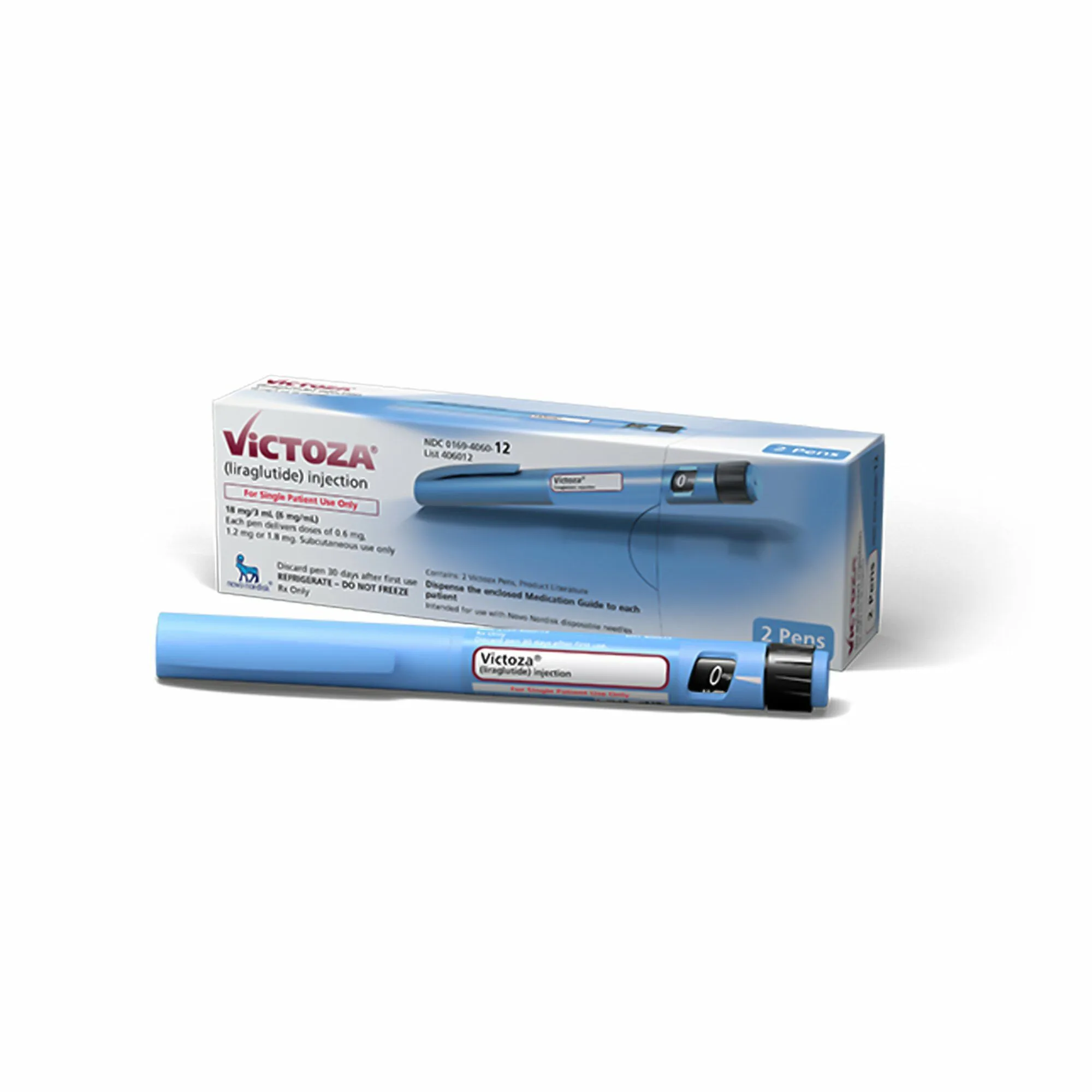
- Resembles the effects of a hormone called glucagon-like peptide-1 (GLP-1), which naturally occurs in your body. GLP-1 communicates to your brain that you are full, reducing your desire to eat.
- Furthermore, liraglutide can slow down gastric emptying. This means food remains in your digestive system for a longer period, prolonging that full feeling.
- Potential weight loss with liraglutide varies from person to person. However, studies have shown that people taking liraglutide can lose a significant amount of weight over time.
Keep in mind that liraglutide is recommended as lifestyle changes, such as a healthy diet and regular exercise. It is not a quick fix solution but rather a tool that can help long-term weight management success.
Managing Diabetes with Liraglutide: A Detailed Overview
Liraglutide is a treatment used to help control type 2 diabetes. It works by increasing the production of insulin in the pancreas and delaying the process of sugar from the gut. Liraglutide is usually taken once a day via injection, and it can be used alone or in partnership with other diabetes medications.
- Advantages of using liraglutide include lower blood sugar levels, weight loss, and a reduced risk of problems associated with diabetes.
- Possible adverse reactions of liraglutide can cover nausea, vomiting, diarrhea, and constipation.
It's important to discuss with your doctor to see if liraglutide is right for you. They will assess your individual needs and formulate a treatment plan that is suitable for you.
Liraglutide Prescription Information: Dosage, Formulations, and Side Effects
Liraglutide is a prescription medication used to control type 2 diabetes. It works by stimulating the production of insulin in the system. Liraglutide comes in two preparations: an injection and an oral pill. The amount of liraglutide prescribed will vary depending on individual needs and may be modified over time.
Common side effects of liraglutide include nausea, diarrhea, and headache. Certain people may also experience difficulty passing stool, fatigue, or weight loss.
- Make sure to always follow your doctor's instructions for taking liraglutide.
- Communicate to your doctor if you experience any severe side effects.
- Information about liraglutide is for informational purposes only and should not be considered medical advice. Always consult with a qualified healthcare professional for personalized guidance.